
AI Personalized Books: The Ultimate Guide to Child Development Benefits
Reading Engagement
The Power of Self-Recognition
From Passive to Active
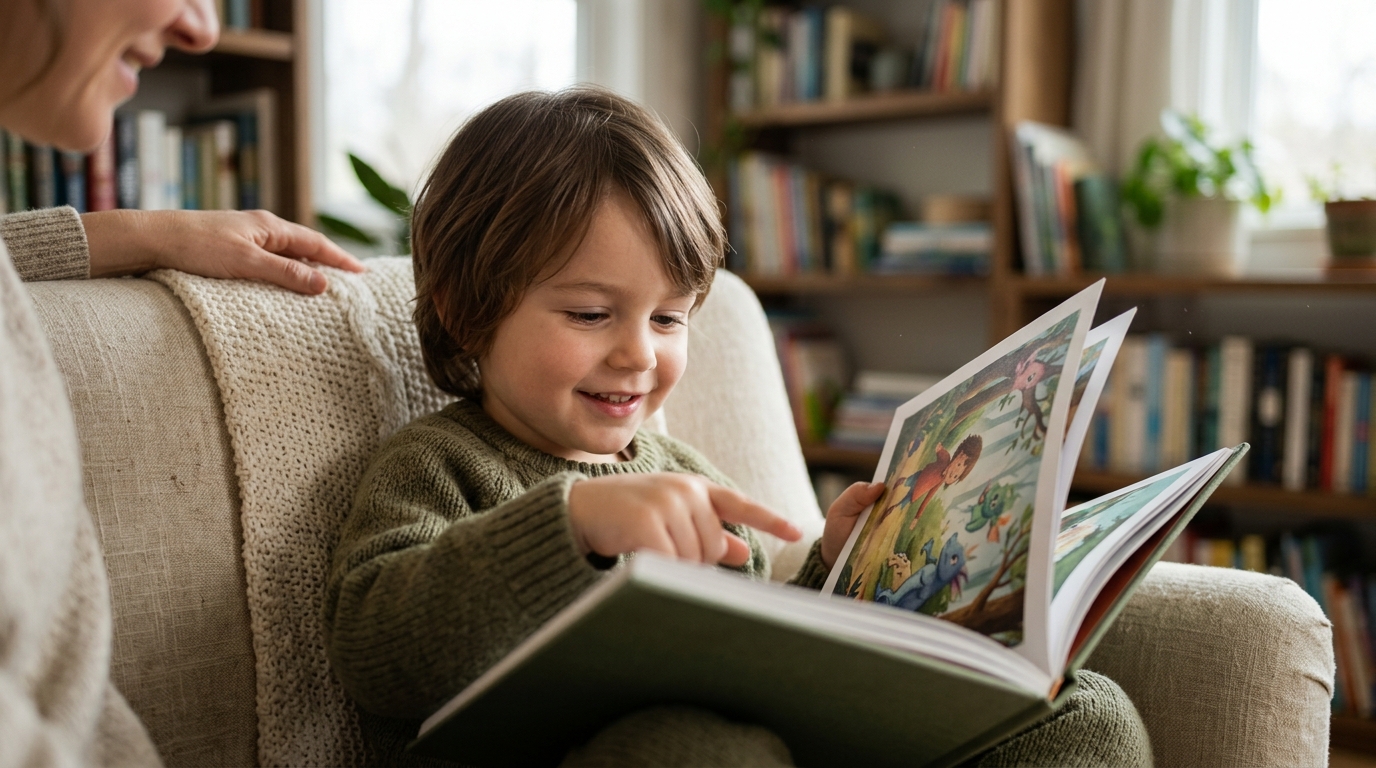
Active reading involves predicting, questioning, and interacting with the text. Personalized books encourage this behavior naturally. Children often point to themselves and narrate their own actions. They may ask what happens next to their character. This interactive dynamic changes the reading session. It becomes a dialogue rather than a monologue. The child feels agency within the story. This sense of control is empowering for young learners. It fosters confidence in their ability to follow and influence a narrative. For additional details, review the 404 BookBuddy.
Vocabulary Learning
Vocabulary learning is the process of acquiring new words and understanding their meanings. Personalized AI books provide a context-rich environment for this growth. Because the child is the protagonist, they are more attentive to the language used. They are more likely to ask about unfamiliar words. The context of the story helps them infer meanings. This contextual learning is more effective than rote memorization. The words stick because they are tied to a memorable personal experience. The child associates new terms with their own adventures. This creates stronger neural pathways for language retention. It accelerates the expansion of their expressive and receptive vocabulary. For additional details, review the 404 BookBuddy.
Contextual Word Acquisition
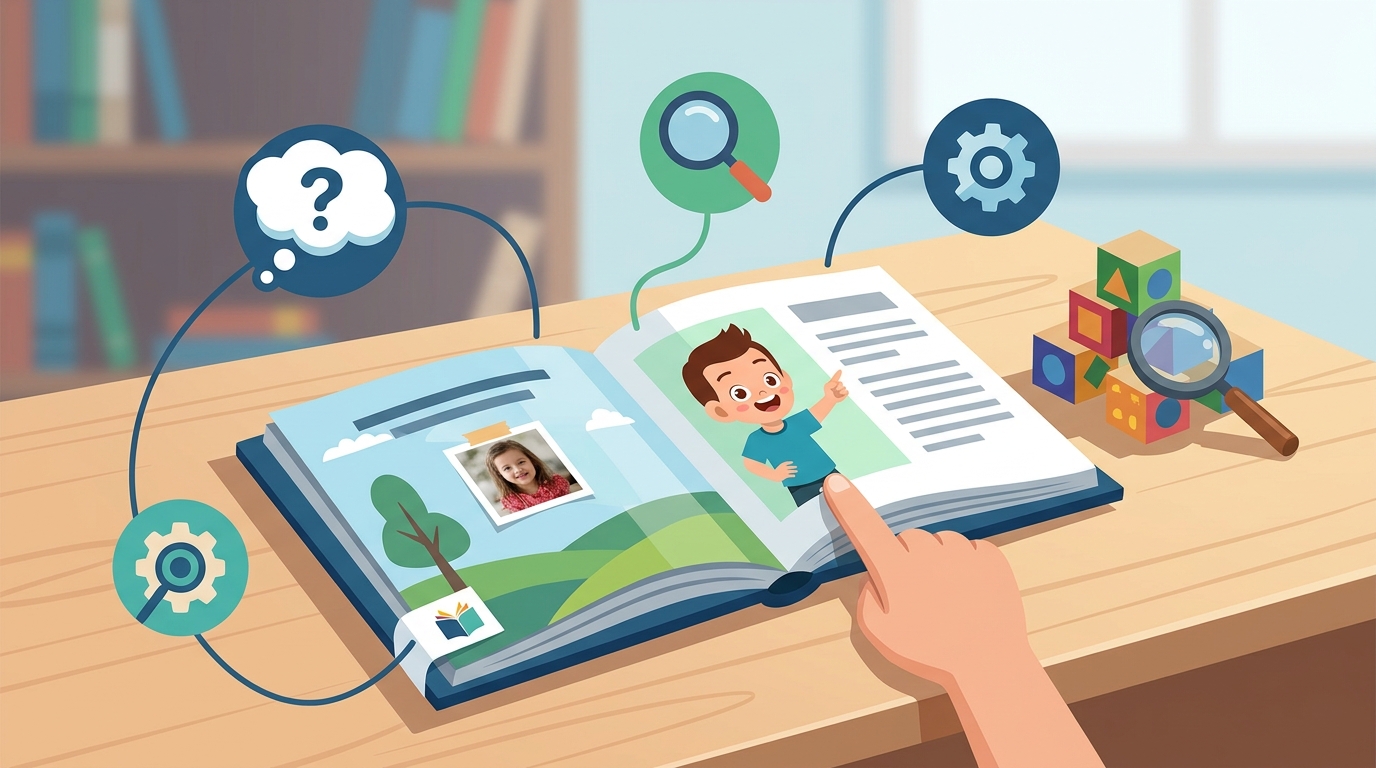
Contextual learning relies on surrounding words to define new terms. In a personalized story, the context is highly relevant. If the hero (the child) is "brave," the child understands the trait. They see the action and hear the word. This dual-coding of visual and verbal information aids memory. The child can later use the word in their own speech. They might say, "I was brave today." This transfer of vocabulary from book to life is the goal. It shows true mastery of the concept. The personal connection makes the word feel usable and important. For additional details, review the 404 BookBuddy.
Repetition and Reinforcement
Repetition is a key mechanism in language acquisition. Personalized books are often re-read many times. Each re-read reinforces the new vocabulary. The child hears the words in a familiar and safe context. This repetition solidifies the meaning. It moves the words from passive recognition to active use. The child begins to incorporate these words into daily conversation. This continuous reinforcement ensures long-term retention. It builds a robust linguistic foundation for future learning. For additional details, review the V r ber ttelse.
Parent Child Interaction
Parent child interaction is the quality of communication and bonding between caregiver and child. Personalized books serve as a powerful tool for this connection. They provide a shared focus that is uniquely tailored to the child. This shared focus reduces distractions and increases eye contact. The parent and child engage in a joint activity that is meaningful to both. The parent can point out details and ask questions. The child responds with enthusiasm and personal anecdotes. This dynamic fosters a warm and responsive relationship. It strengthens the emotional bond between them. The book becomes a ritual that they cherish together. It creates a space for intimacy and shared joy. For additional details, review the 404 BookBuddy.
Shared Narrative Experiences
Shared narratives create a common language between parent and child. They can reference the story in later conversations. "Remember when you saved the dragon?" This callback reinforces the bond. It shows the parent is paying attention to the child's world. The child feels seen and valued. This mutual recognition deepens trust. The story becomes a repository of shared memories. It is a source of comfort and connection. The parent and child build a history together through the pages.
Reducing Screen Time
Social Emotional Learning
Emotional Regulation Strategies
Emotional regulation is the ability to manage one's emotional responses. Stories can model effective coping strategies. The hero might take deep breaths when scared. The child can mimic this behavior in real life. This transfer of skills is powerful. It gives the child a toolkit for difficult moments. The personal connection makes the lesson more impactful. The child feels equipped to handle their own challenges. This builds resilience and emotional intelligence.
Empathy and Perspective Taking
Empathy is the ability to understand and share the feelings of others. Personalized books can introduce the child to different perspectives. Even when the child is the hero, they interact with other characters. They learn to consider how others feel. This practice builds social awareness. It prepares the child for real-world interactions. They learn to be kind and considerate. This social skill is crucial for healthy relationships. The book serves as a rehearsal space for social success.
Representation and Inclusivity
Representation is the accurate and positive depiction of diverse groups in media. Inclusivity is the practice of ensuring all individuals feel welcome and valued. Personalized AI books excel in this area. They ensure the child sees themselves accurately reflected. This is particularly important for children from underrepresented groups. Seeing their own identity celebrated in a story is affirming. It counters negative stereotypes and feelings of exclusion. The child feels proud and seen. This sense of belonging is vital for self-esteem. It fosters a positive self-image and cultural pride. The book becomes a mirror that reflects their worth.
Mirroring and Window Making
Breaking Stereotypes
Comparison of Benefits
| Benefit Area | Traditional Books | AI Personalized Books |
|---|---|---|
| Engagement | Passive observation | Active participation as protagonist |
| Vocabulary | Contextual but distant | Contextual and personally relevant |
| Emotional Bond | Shared activity | Deeply personal shared narrative |
| Representation | Dependent on author choice | Guaranteed accurate self-reflection |
Key Takeaways
- Personalized books significantly increase reading engagement by making the child the hero.
- Vocabulary acquisition is enhanced through contextual and personally relevant language.
- Parent child interaction is deepened through shared, unique narrative experiences.
- Social emotional learning is supported by modeling emotional regulation in a safe context.
- Representation and inclusivity are ensured by accurately reflecting the child's identity.
- These books serve as a powerful tool for building self-esteem and resilience.
- The personal connection makes lessons more memorable and impactful.
Frequently Asked Questions
How does a personalized book improve reading skills?
It increases attention and motivation, leading to more practice and better comprehension.
Are AI-generated stories safe for children?
Yes, when created by reputable providers with content moderation and age-appropriate themes.
Can I customize the story themes?
Yes, you can choose themes that align with your child's interests and developmental needs.
Does this replace traditional reading?
No, it complements it by adding a layer of personal engagement and motivation.
How long does it take to create a book?
It typically takes a few minutes to upload a photo and generate the story.
Is the child's photo secure?
Reputable services use secure data practices to protect uploaded images.
What ages are these books suitable for?
They are generally suitable for toddlers through early elementary school.